
For a large-scale palm oil estate in Southeast Asia, the massive volume of empty fruit bunches (EFB) and palm oil mill effluent (POME) was a growing headache. Handling these materials was costly, and local environmental regulations were tightening. When they partnered with Xincheng, they weren’t just looking for machines—they were looking for a turnaround. This fertilizer plant case study details how a custom-engineered, circular-economy production line transformed their biggest operational cost into a high-margin revenue stream.
1:The Challenge: Managing 50,000 Tons of Organic Waste
The client faced a classic industrial dilemma:
*Storage Crisis: Stacking thousands of tons of EFB in the fields created fire hazards and attracted pests.
*Environmental Risk: Leaking wastewater was polluting local water tables.
*Nutrient Imbalance: The plantation was spending millions annually on chemical fertilizers, despite sitting on a mountain of organic matter.
2:The Xincheng Solution: A Circular Production Ecosystem
We didn’t just sell them a granulator; we designed an end-to-end recycling ecosystem.
*Crushing & Composting: We installed high-torque industrial shredders to reduce fiber size, followed by an automated turning system to accelerate fermentation from 3 months down to 30 days.
*Liquid/Solid Integration: We designed a specialized system to mix the POME (wastewater) back into the solid compost, enriching the final pellets with high-potassium nutrients derived from the palm oil process.
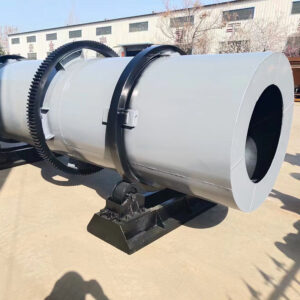
*Granulation: A 10-ton-per-hour rotary drum granulation line was installed to convert the compost into uniform, nutrient-dense pellets.
3:The Results: ROI and Sustainability
The transformation was rapid and measurable:
*Cost Savings: The plantation reduced chemical fertilizer purchases by 45% within the first year by using their own custom-blended bio-organic product.
*New Revenue Stream: Beyond self-sufficiency, they now sell surplus fertilizer to neighboring smallholders, creating a new business division.
*Zero-Waste Compliance: The site now passes all environmental audits, completely eliminating the waste management burden.
This case study is just one example of how Xincheng applies engineering expertise to solve real-world problems. Whether you have food waste, animal manure, or palm biomass, we have the technical blueprint to help you succeed. Want to see how your waste can generate profit? Contact our engineering team today for a feasibility analysis.