In high-capacity compound fertilizer manufacturing, handling combustible raw materials and reactive intermediates—such as elemental sulfur powder, organic humic dust, urea fines, and ammonium nitrate aerosols—creates severe dust deflagration and gas explosion hazards. Inside enclosed bucket elevators, pulse-jet baghouses, fluidized bed dryers, and high-speed pulverizers, a single mechanical friction spark, electrostatic discharge, or localized hot spot can trigger a primary dust ignition that propagates into a catastrophic secondary facility-wide explosion within milliseconds. At Xincheng, we engineer uncompromising industrial safety. Our advanced fertilizer plant dust explosion protection systems and active deflagration suppression solutions in NPK factories integrate infrared spark-extinguishing arrays, millisecond High-Rate Discharge (HRD) chemical suppressors, flameless venting panels, and rapid mechanical isolation valves to achieve full NFPA 652 and ATEX Zone 20/21 compliance.
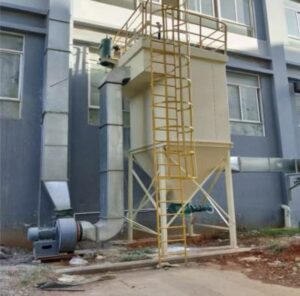
1:High-Speed Infrared Spark Detection and Millisecond HRD Active Suppression
Neutralizing ignition sources inside pneumatic conveying ducts and suppressing incipient pressure waves before structural rupture occurs requires sub-millisecond optical sensing and pressurized chemical injection.
Optical Infrared Spark Detection & Water-Mist Extinguishing: Xincheng installs ultra-fast infrared spark detectors along high-velocity pneumatic transfer ducts, cyclone outlets, and crusher discharge chutes, triggering automated high-pressure atomized water-mist curtains within 10 milliseconds to extinguish glowing embers before they enter dust collectors.
High-Rate Discharge (HRD) Chemical Deflagration Suppressors: Inside enclosed pulse-jet baghouses, bucket elevators, and organic powder storage silos, dynamic optical-pressure sensors detect the earliest micro-barometric rise of a dust deflagration, firing nitrogen-pressurized sodium bicarbonate suppressant cannons within 30–50 milliseconds to chemically quench the flame front and cap peak explosion pressure well below vessel design limits.
2:Explosion Isolation Valves, Flameless Venting, and Electrostatic Elimination
Preventing pressure waves from propagating between interconnected process vessels while safely relieving overpressure indoors demands certified mechanical isolation and conductive engineering.
Passive Flap & Chemical Barrier Explosion Isolation: Xincheng equips upstream and downstream ductwork connecting dryers, screens, and central baghouses with ATEX-certified fast-acting mechanical flap isolation valves and chemical isolation barriers, physically blocking flame propagation across process zones.
Indoor Flameless Explosion Venting & Static Grounding Interlocks: For indoor process vessels where outdoor venting is impossible, we install stainless-steel mesh flameless explosion vents that absorb thermal energy and trap burning dust inside the housing. Simultaneously, all conveyor belts, rotary drums, and piping flanges feature continuous copper equipotential bonding and active electrostatic dissipation monitors.
3:The Xincheng Inherent Safety Synergy Advantage
Protect human lives, safeguard multi-million-dollar heavy machinery, and secure seamless international insurance underwriting with a fully audited, SIL-rated safety architecture.
SIL3 Safety Instrumented Systems (SIS) & DCS Integration: Xincheng integrates all spark detectors, HRD suppressors, isolation valve limit switches, and gas/dust LEL (Lower Explosive Limit) transmitters into a dedicated, redundant SIL3 Safety Instrumented System linked to our centralized DCS platform, automatically executing emergency inert-nitrogen purging and safe plant shutdowns upon any anomaly.
Safeguard Your Assets with Xincheng Explosion Protection Engineering
In heavy chemical and fertilizer manufacturing, proactive explosion prevention and active suppression are the ultimate foundations of operational continuity and corporate responsibility. With Xincheng’s advanced fertilizer plant dust explosion protection systems and ATEX/NFPA-compliant engineering solutions, your facility eliminates catastrophic blast risks, passes the strictest global safety audits, and operates with total peace of mind. Ready to fortify your plant against dust and gas explosion hazards? Contact our industrial safety engineering specialists today!