
As global agriculture increasingly transitions toward sustainable soil management, the organic fertilizer industry is upgrading from loose, dusty powders to standardized commercial pellets. Powdered fertilizers often cause severe dust drift during field application, uneven nutrient release, and high transportation costs. To overcome these industrial bottlenecks, investing in an advanced fertilizer granulator machine is essential. High-efficiency granulation technology transforms fermented organic waste into dense, uniform spheres, unlocking higher commercial value across the entire organic fertilizer supply chain.
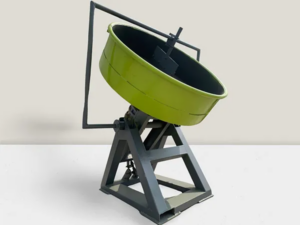
1:Structural and Process Innovations in Modern Granulation Equipment
Modern organic pelletizing demands robust mechanical engineering capable of handling high-fiber, sticky organic materials without clogging or binder over-reliance.
Combined Mechanical Agitation: Leading equipment manufacturers like Xincheng integrate high-speed stirring teeth with rotating drum mechanics. This dual-force design uses aerodynamic and mechanical friction to agglomerate fine organic powders rapidly without chemical binders.
Wear-Resistant Anti-Stick Linings: Internal drum walls and stirring blades utilize specialized polymer linings and alloy steel tips, preventing wet organic matter from sticking and extending continuous operating cycles.
2:Technical Essentials of Granule Uniformity, Strength, and Stability
Consistent physical pellet quality determines whether finished organic fertilizers can withstand long-distance logistics and automated field spreading.
Precision Moisture and Speed Control: By regulating liquid spray atomization and drum rotational speed, a modern fertilizer granulator equipment system maintains pellet diameter within a strict 2–4 mm standard, achieving granulation rates above 90%.
High Crushing Resistance: Dense internal compaction ensures that dried pellets resist crushing and powdering during bulk stacking, shipping, and mechanical broadcasting.
3:Adaptability Across Diverse Organic Raw Materials
Organic fertilizer plants process widely varying feedstocks, requiring flexible granulation configurations to maintain steady output.
Multi-Feedstock Compatibility: Whether processing fermented chicken manure, cattle dung, mushroom residue, municipal sludge, or humic acid blends, adjustable agitation angles allow operators to fine-tune pelletizing parameters for different fiber lengths and moisture levels.
Seamless Line Integration: Modern granulators connect directly with upstream twin-shaft mixers and downstream rotary dryers, creating a balanced, continuous processing flow.
4:Impact of High-Quality Granulation on Downstream Agricultural Applications
Upgrading pellet quality delivers tangible agronomic benefits directly to growers and commercial farms.
Precision Mechanical Spreading: Uniform, dust-free granules flow smoothly through tractor-mounted spreaders and precision seeders, reducing labor intensity and preventing nozzle blockages.
Controlled Nutrient Release: Dense organic granules break down gradually in the soil, feeding beneficial microbes and sustaining crop root nutrition over a longer growth cycle compared to raw powder.
In summary, adopting a high-efficiency fertilizer granulator machine serves as the technological backbone for upgrading the modern organic fertilizer supply chain. By combining structural durability, uniform pellet sizing, and broad raw material adaptability, advanced granulation equipment empowers manufacturers to produce premium commercial fertilizers that drive sustainable global agriculture.