
As global demand for sustainable agricultural inputs surges, export-oriented organic fertilizer manufacturers must meet strict international standards for moisture content, physical stability, and packaging durability. Excess moisture inside fertilizer pellets triggers mold growth, caking, and nutrient degradation during long-distance ocean freight. To pass customs inspections and satisfy overseas buyers, deploying a high-precision organic fertilizer dryer is essential. Advanced thermal drying systems reduce granule moisture reliably while preserving beneficial organic matter, enabling factories to deliver export-grade products consistently.
1:Meeting International Standards with Precision Drying Processes
International agricultural markets typically mandate finished organic fertilizer moisture levels below 10% to 15%, alongside strict microbial safety thresholds.
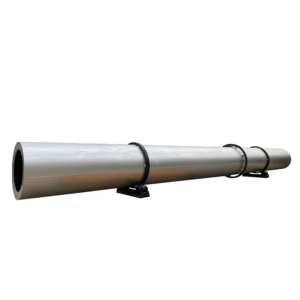
Controlled Low-Temperature Thermal Exchange: Drawing on over two decades of manufacturing expertise since 2003, Xincheng engineers rotary drying drums that utilize balanced hot-air distribution and internal lifting flights. This gentle thermal exchange evaporates moisture rapidly without scorching organic carbon or killing active beneficial microbes.
Consistent Batch Compliance: Automated exhaust temperature monitoring ensures every ton of processed pellets hits exact moisture specifications required by overseas agricultural importers.
2:Multi-Feedstock Adaptability and Precision Control Technology
Export factories frequently process diverse organic formulations, requiring adaptable drying configurations that prevent sticking or uneven heating.
Flexible Parameter Regulation: Modern organic fertilizer drying equipment features variable-frequency drum rotation and adjustable burner output. Operators can fine-tune retention time and inlet air temperature to handle poultry manure, humic acid blends, or crop-residue pellets smoothly.
Anti-Clogging Internal Architecture: Specialized chain-knocking mechanisms and smooth alloy linings prevent semi-wet organic pellets from adhering to drum walls, maintaining uninterrupted thermal efficiency.
3:Enhancing Transport Stability and Shelf Life
Proper thermal drying directly reinforces granule hardness and extends commercial storage life across humid maritime routes.
Increased Crushing Strength: Removing internal moisture tightens the structural bond of organic pellets, reducing breakage and powdering during container loading, sea transit, and port handling.
Extended Storage Durability: Dry, stabilized granules resist microbial fermentation and moisture reabsorption inside sealed export bags, preserving product quality for over 12 months in warehouse storage.
4:Core Competitive Highlights for Export-Oriented Fertilizer Plants
Integrating high-efficiency drying systems strengthens both product reputation and operational profitability in global markets.
Energy-Saving Heat Recovery: Insulated drum shells and waste-heat recycling ducts lower fuel consumption per ton, keeping export pricing competitive.
Seamless Cooling and Screening Integration: Connecting the dryer directly with a counter-flow cooler and vibrating screener guarantees dust-free, uniform granules ready for automated export bagging.
In summary, equipping export-focused fertilizer plants with an advanced organic fertilizer dryer is essential for meeting strict international moisture, strength, and shelf-life standards. By combining gentle low-temperature drying, broad feedstock adaptability, and energy-efficient thermal control, modern drying machinery empowers manufacturers to eliminate shipping losses and build lasting competitiveness in the global organic fertilizer trade.